

Are Free OnlyFans Accounts Scams? Practical Guidance for Safe Browsing
Understanding the Appeal of Free OnlyFans Accounts
OnlyFans has become a major platform for creators to share exclusive content directly with fans. The promise of “free” access is especially tempting because it appears to bypass the usual subscription fees, giving users a taste of premium material without spending a cent. This allure drives a massive amount of traffic to sites and social media posts that claim to offer free OnlyFans accounts.
However, the very same attractiveness also creates a fertile ground for fraud. When users search the phrase are free only fans accounts scams, they are often looking for reassurance that the offers they encounter are legitimate. Understanding why these offers proliferate helps you spot the warning signs before you click.
Common Red Flags That Indicate a Scam
Scammers rely on a handful of predictable tactics. Recognizing these early can save you time, money, and personal data.
- Unrealistic promises – “100% free access to every creator” is almost always false.
- Requests for personal details such as email, phone number, or payment information before you can view any content.
- Links that redirect through multiple shortened URLs or unfamiliar domains.
- Urgent language that pushes you to act “right now” or “before it’s gone”.
When you notice any of these signals, pause and verify the source. Legitimate creators usually provide a direct link to their OnlyFans profile and never ask for sensitive data beyond what the platform itself requires.
How Scammers Operate – Typical Tactics
Most fraudsters follow a simple workflow: they gather a list of popular creators, generate a fake “free” landing page, and then monetize the traffic through ads, affiliate links, or by harvesting personal data. Some even use compromised accounts to post “free” links, which are later removed after a short window, leaving unsuspecting users empty‑handed.
In more sophisticated schemes, the scammer may set up a “subscription” that appears free at first but later charges hidden fees. This is why it’s crucial to read the fine print on any third‑party site that claims to give you free OnlyFans access.
Protecting Your Personal Information
Even if a link looks genuine, it can still be a trap. Your personal information is a valuable commodity for cybercriminals, and once it’s in their hands, it can be used for phishing, identity theft, or sold on the dark web.
Follow these best practices to keep your data safe:
- Never share passwords, credit‑card numbers, or social‑media login details on third‑party sites.
- Enable two‑factor authentication (2FA) on your OnlyFans account and any associated email accounts.
- Use a dedicated email address for subscription services to isolate potential spam.
- Install reputable security extensions that warn about malicious redirects.
What to Do If You Encounter a Suspected Scam
Discovering a potentially fraudulent free OnlyFans offer can be unsettling, but acting quickly can limit any damage. First, stop any interaction with the site and close the browser tab.
Next, report the URL to the platform where you found it—whether that’s Instagram, Reddit, or a search engine’s phishing report tool. If you’ve already entered personal data, consider changing passwords and monitoring your financial statements for unusual activity.
Legitimate Ways to Access Free Content Safely
Not all “free” offers are scams. Many creators share teaser clips, behind‑the‑scenes photos, or limited‑time promotions directly on their social media profiles. Following creators on platforms like Twitter, Instagram, or TikTok can give you legitimate free previews without any risk.
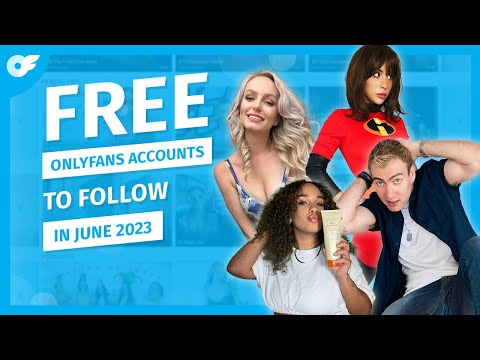
For those who want to explore a broader range of free material, consider community‑curated lists that are regularly vetted by fans. These lists typically link straight to the creator’s official OnlyFans page, where you can decide whether to subscribe. One such resource mentions the best free onlyfan models and provides direct, verified links.
Comparing Scam Indicators vs. Legitimate Signals
| Scam Indicator | Legitimate Signal |
|---|---|
| Requests for personal data before any content is shown | Only asks for OnlyFans login credentials on the official site |
| Multiple URL redirects or shortened links | Direct link to an official OnlyFans profile (e.g., onlyfans.com/username) |
| Urgent or “limited‑time” language with no details | Clear description of what content is free and what remains behind a paywall |
| Heavy ad pop‑ups and forced downloads | Clean landing page with minimal advertising |
Frequently Asked Questions
Is it ever legal to share free OnlyFans content?
OnlyFans’ terms of service prohibit the redistribution of paid content without permission. While creators can choose to post free material themselves, third‑party redistribution of paid posts is a violation and often the basis for many scams.
Can I trust “free trial” offers on the official OnlyFans site?
OnlyFans occasionally runs official promotions that allow new users to try a creator’s content for a limited period without payment. These offers appear directly on the creator’s page and are clearly marked as trials. If you see a trial advertised elsewhere, double‑check it on the official profile.
What should I do if I’ve already paid for a “free” account?
Contact OnlyFans support immediately with screenshots and transaction details. The platform has a refund policy for unauthorized charges, and reporting the incident helps protect other users.
Final Thoughts: Staying Informed and Cautious
The short answer to the query “are free only fans accounts scams” is that many are, but not all. By understanding how scammers operate, recognizing red flags, and following safe browsing habits, you can enjoy legitimate free content without exposing yourself to fraud.
Remember: when something sounds too good to be true, it probably is. Keep your personal data private, verify links through official channels, and use community‑trusted resources whenever possible. A cautious approach will let you explore the creative world of OnlyFans while staying protected.